INTRODUCTION TO CLIMBING IN THE PYRENEES

INTRODUCTORY COURSES

Every activity includes

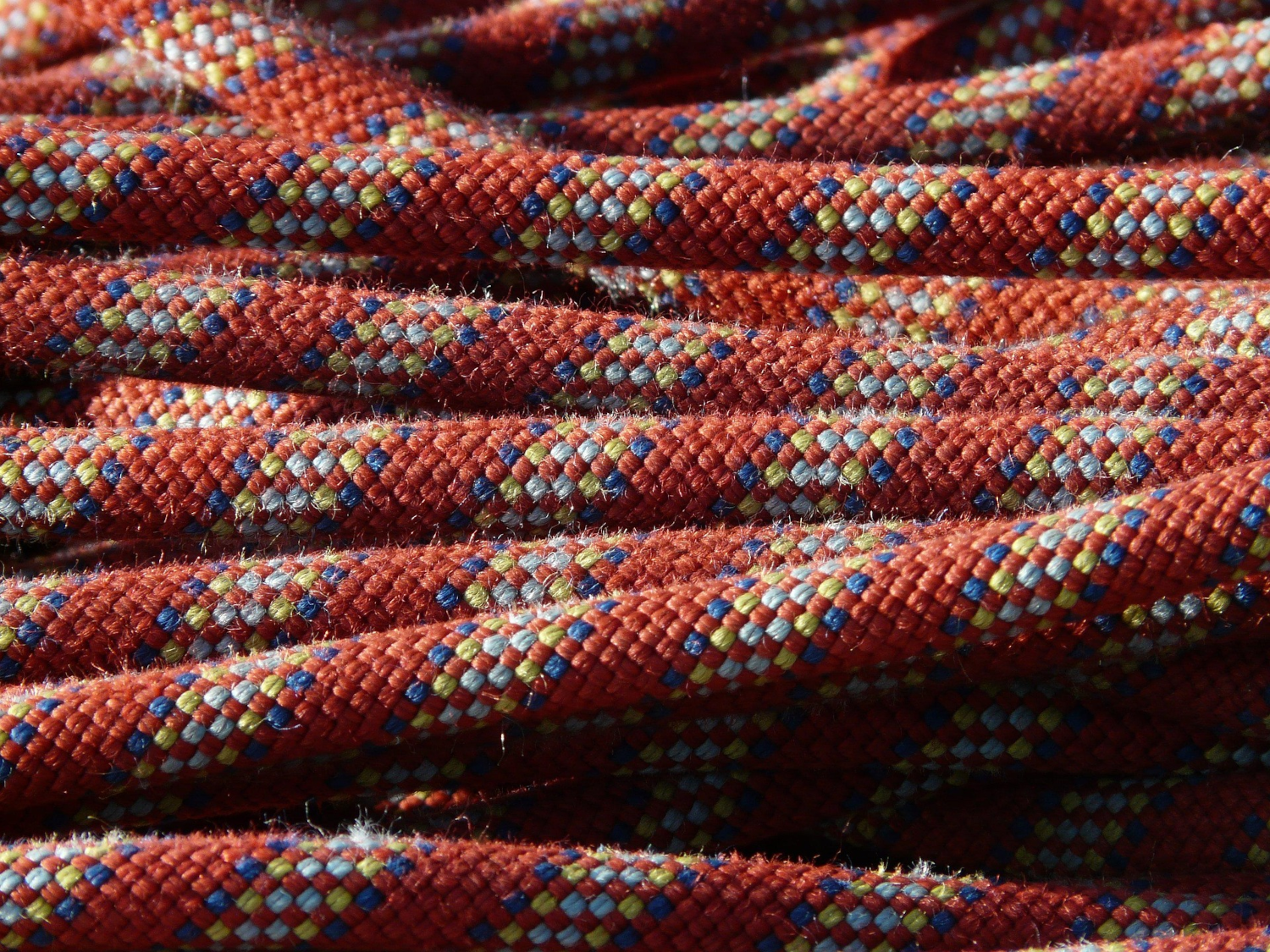
Climbing rope and climbing shoes on rock

Equipment

All certified equipment and climbing shoes included.

Illustration or icon representing accident and public liability insurance

Insurance

Full coverage for accidents and public liability.

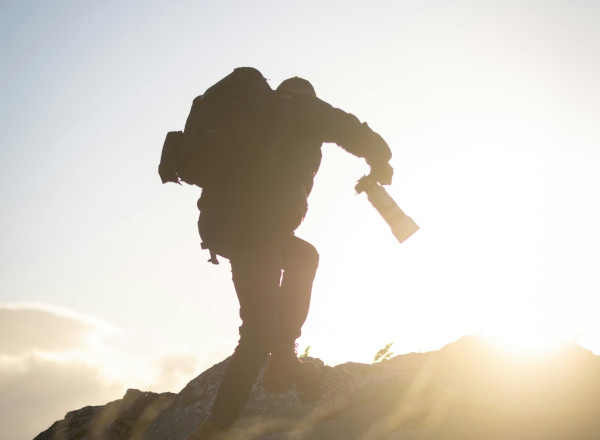
Photographer capturing a climbing moment as a souvenir

Photo Report

Souvenir photos of your vertical experience.

Useful information

Frequently Asked Questions (F.A.Q.)

Do you need to be very physically fit to start?

No. Sport climbing relies more on technique, balance, and leg movement than on raw arm strength. Strength is built progressively as you practice and improve your technique.

What basic gear do I need for my first rock climbing trips?

To start safely, you need climbing shoes, a harness, a helmet, a belay device (such as a Grigri), a dynamic rope, and quickdraws.

If you want to get started and don't have your own gear yet, at Pirineu Vertical we offer all activities with all necessary technical equipment included, both collective and individual.
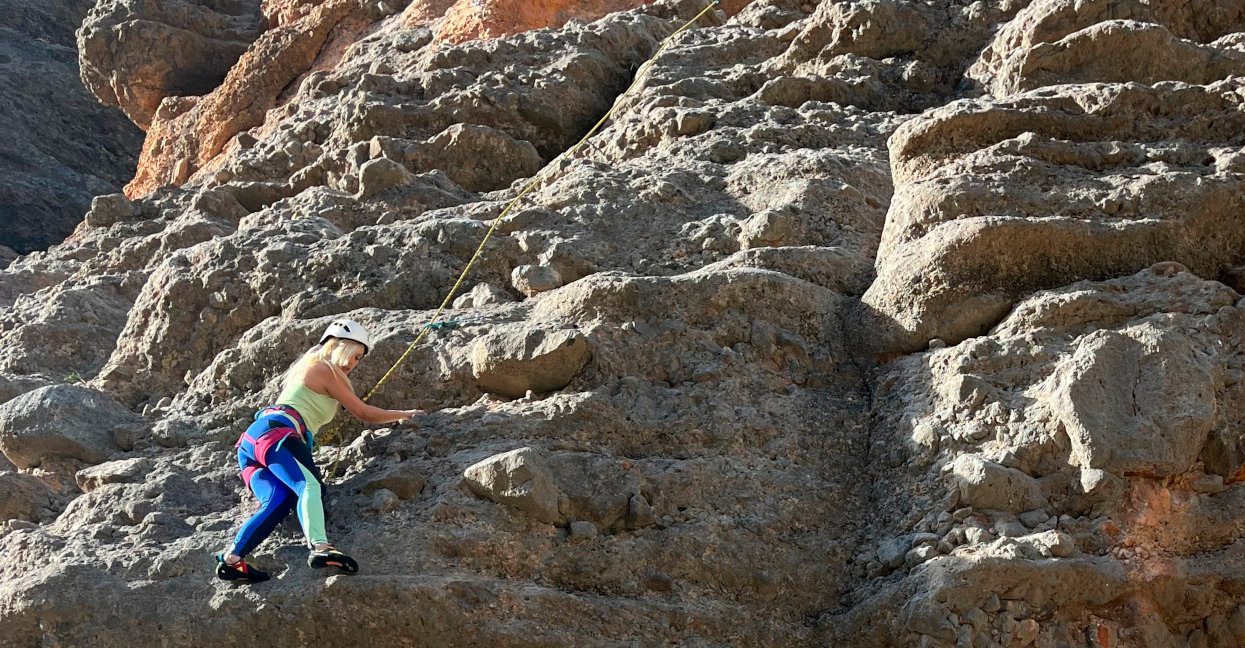
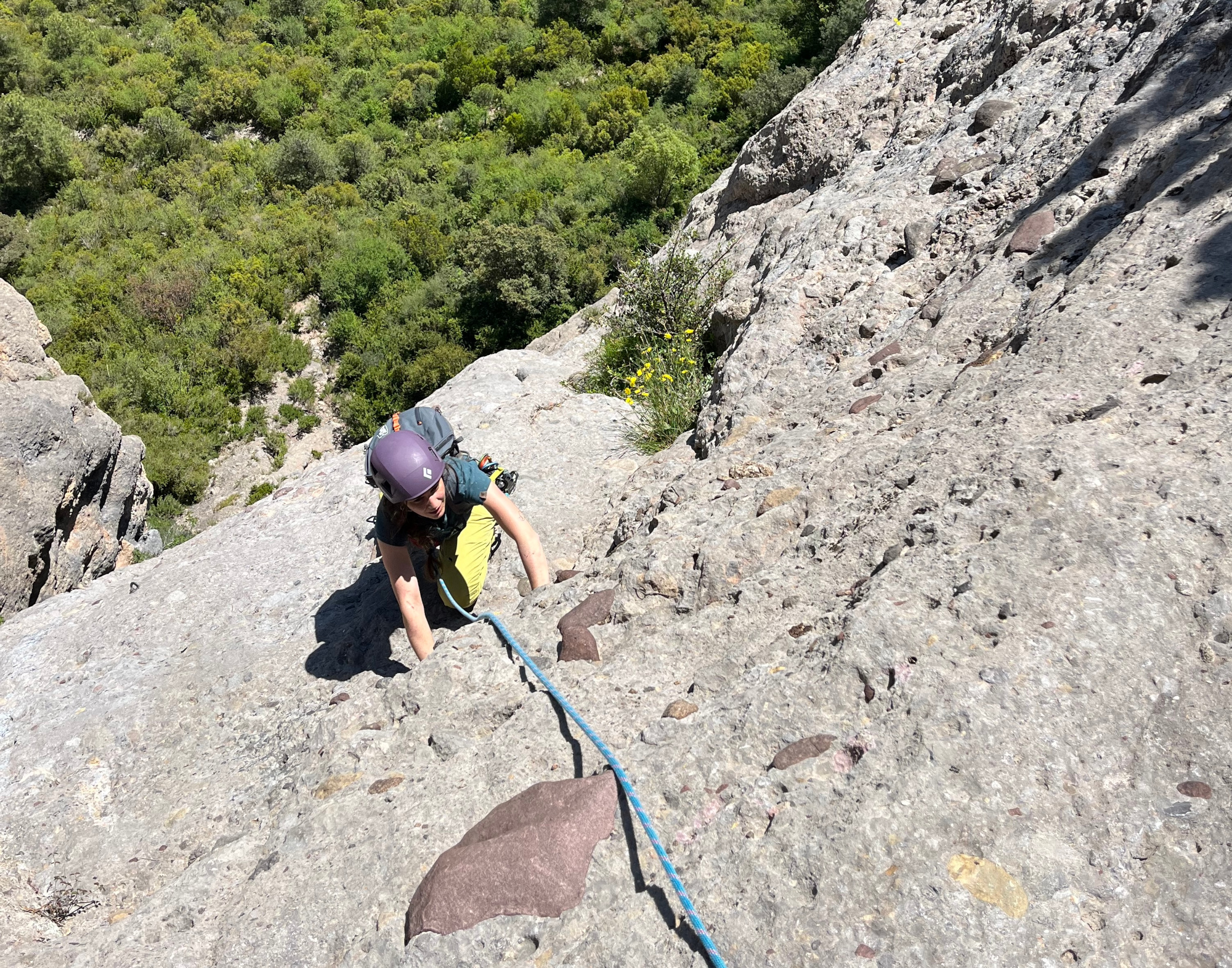
What is the difference between sport climbing and traditional (trad) climbing?

In sport climbing, the protection points (bolts) are permanently fixed into the rock. In traditional climbing, the climber places their own removable gear (cams, nuts...) into cracks or holes as they ascend.

Is sport climbing dangerous?

Like any adventure sport, it carries risks, but if safety protocols are properly understood, gear is inspected, and a helmet is worn, the risk is highly controlled. Most incidents occur due to avoidable human errors.

What do the numbers and letters (6a, 7b, etc.) mean?

It is the grading system (in Catalonia we use the French scale). The number indicates the technical and physical difficulty: 4 is for beginners, 5 and 6 for intermediate levels, and from 7 onwards we enter advanced levels.

How can I overcome the fear of falling?

Fear of falling is completely normal and part of the learning process. It is worked on progressively in safe and controlled environments, learning to trust the equipment, your belayer, and yourself.

Beyond practice, we also work on mental skills and tools to manage moments of freezing, tension, or insecurity on the wall. Proper safety management and effective dynamic belaying are key to climbing with confidence and peace of mind.

At what age can you start climbing?

There is no age limit! Some children start at 4 or 5 years old through playful activities, and others discover the sport well into their 60s. You just need to adapt the intensity and the type of route.

What does "redpointing" (or sending) a route mean?

Redpointing (or "encadenar") a route means completing it from bottom to top on lead, without falling, resting on the rope, or using the quickdraws to rest or aid your progression.

Can I climb if I suffer from vertigo or fear of heights?

Yes. Many climbers have a fear of heights. Climbing helps you manage this sensation, and since you are always tied to a secure rope, your brain progressively learns to rationalize the fear.

Why is it important to hire a guide or take a course?

Learning on your own can lead to adopting incorrect habits or unsafe maneuvers. With a guide, you will learn the proper technical and safety foundations from day one to progress with confidence and peace of mind.

What is included in the activity?

Certified mountain/climbing guide
Collective technical equipment
Individual technical equipment (climbing shoes included)
Accident and public liability insurance
Photo report of the experience
Prior advice and logistical support

We recommend wearing comfortable clothing and suitable footwear for the mountains. We will personally advise you on what to bring depending on the activity.