VIA FERRATAS IN CATALONIA

VIAS FERRATAS

"Bridges, aerial passages, vertical walls, and spectacular landscapes. A unique way to discover the mountain."

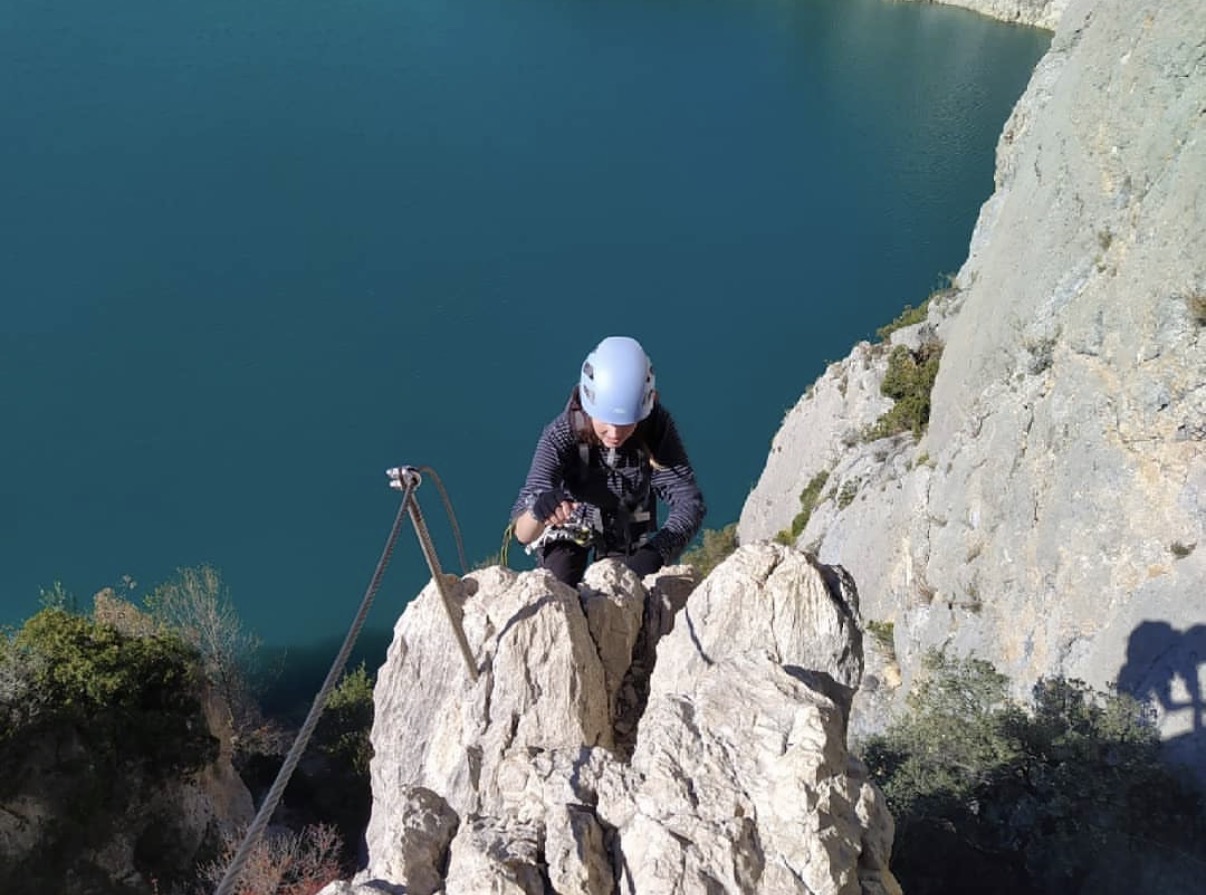
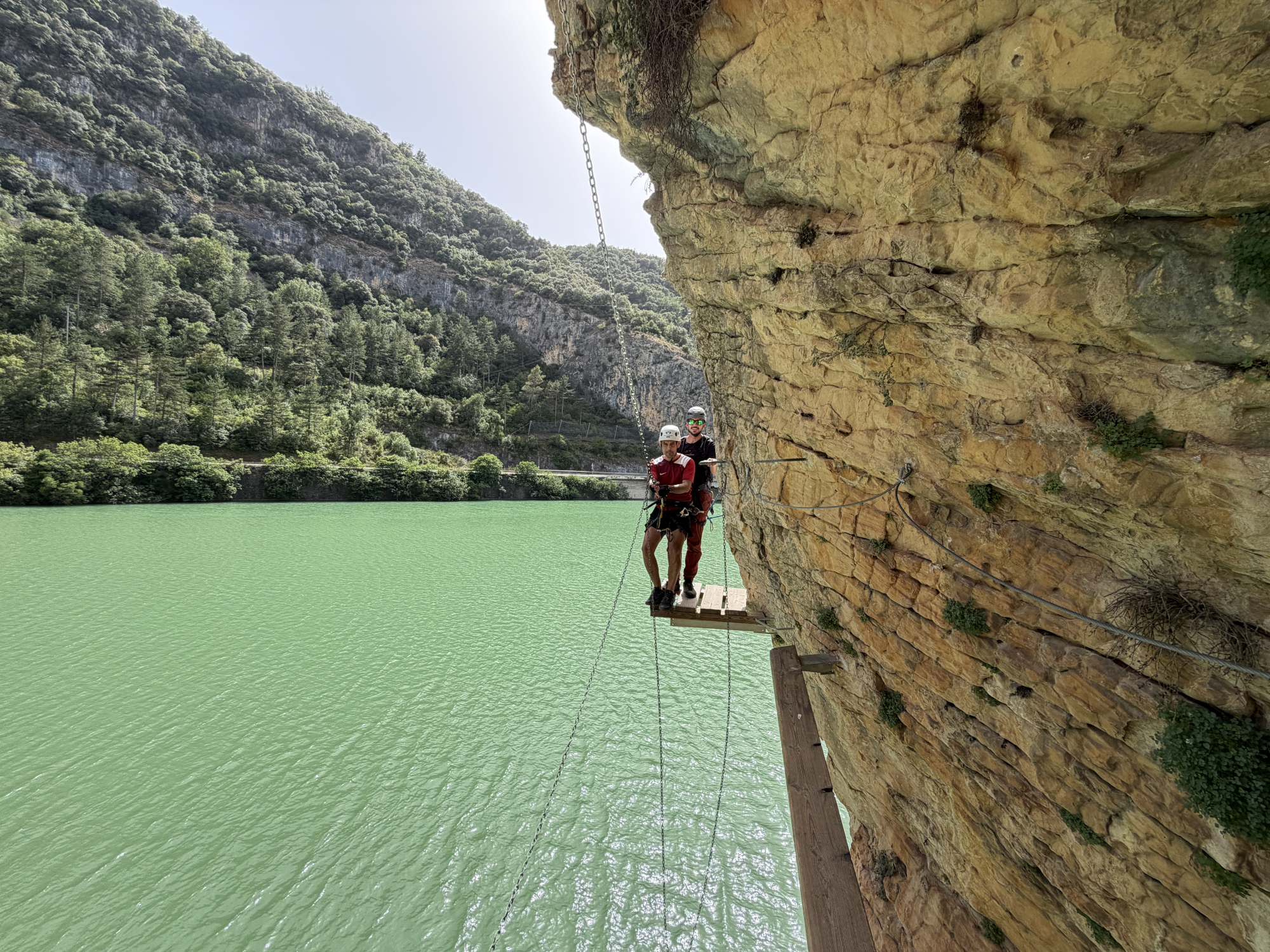
Pirineu Vertical offers guided via ferrata activities in Pallars, Mont-rebei, Terradets, and other locations in the Catalan Pyrenees. Options tailored for both beginners and experienced practitioners, always with a certified guide, approved equipment, and small groups. Discover family-friendly routes, introductory itineraries, and more demanding via ferratas in some of the most spectacular environments in Catalonia.
CHOOSE YOUR EXPERIENCE

    Every activity includes

    Approved climbing equipment including climbing shoes

    Equipment

    All certified equipment and climbing shoes included.

    Accident insurance and civil liability coverage documentation

    Insurance

    Full accident and civil liability coverage.

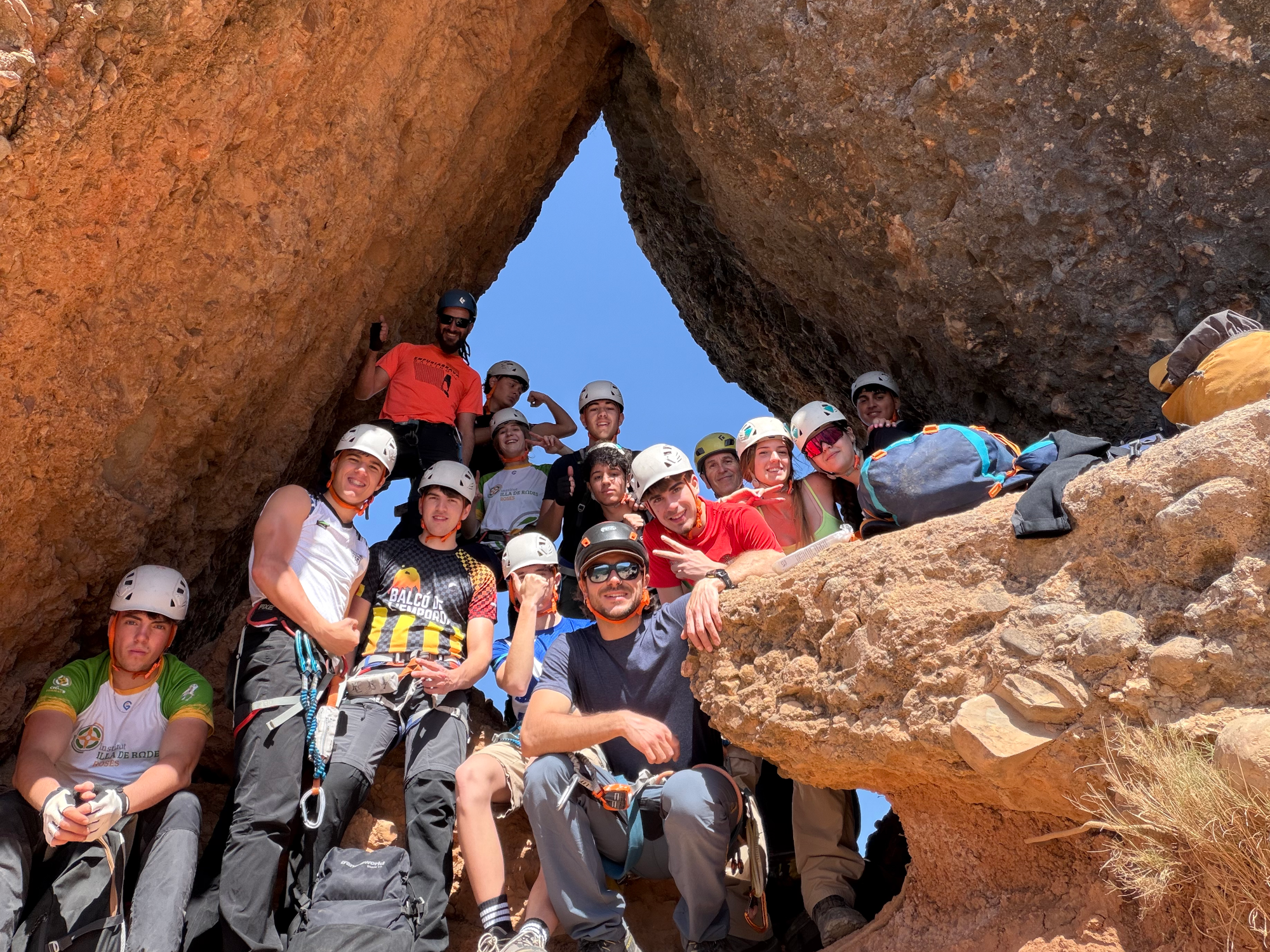
    Climbing photography as a souvenir of the activity

    Report

    Photographs of the experience as a keepsake.

    Useful information

    Frequently asked questions (F.A.Q.)

    What exactly is a via ferrata?

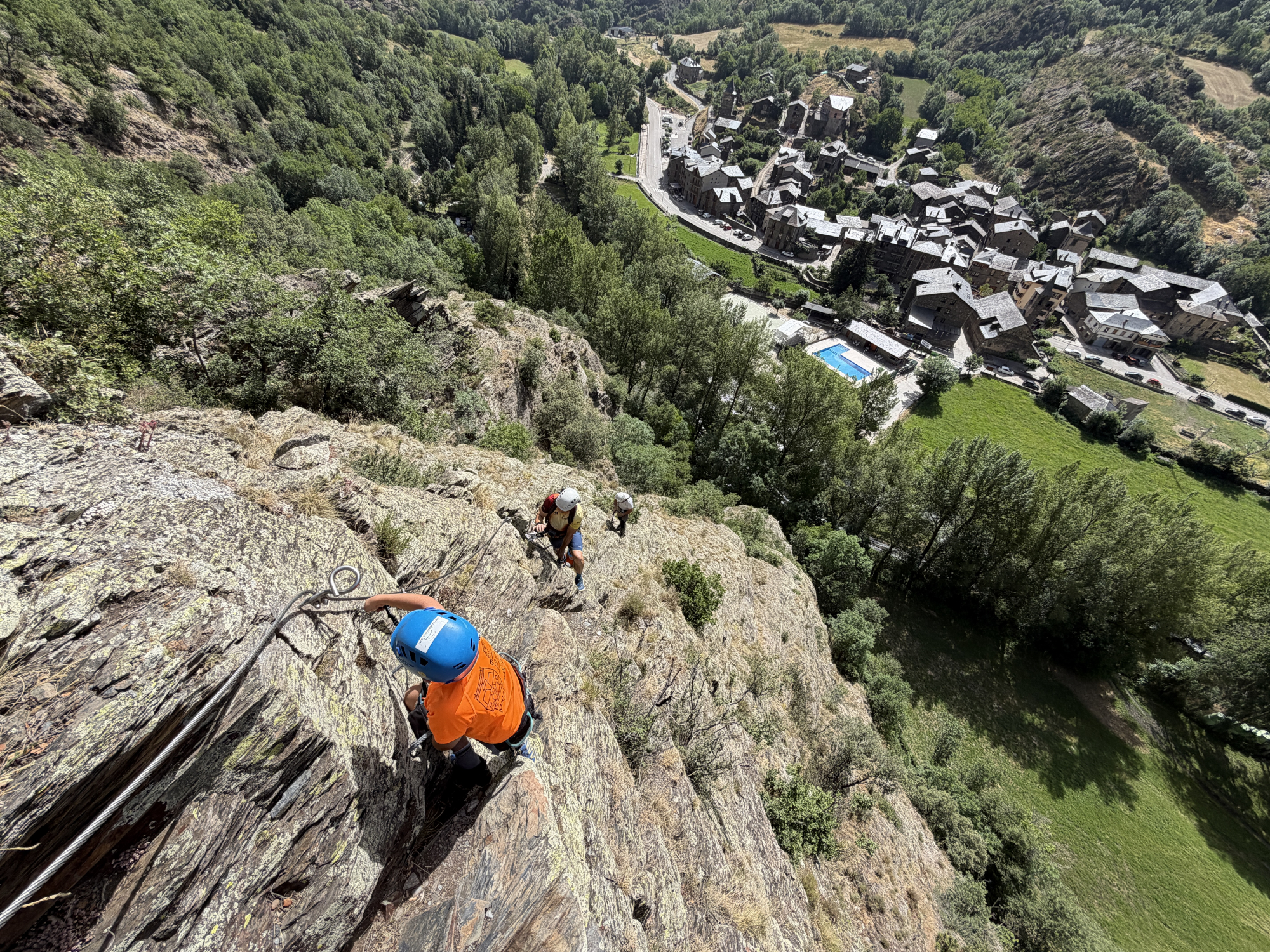
    A via ferrata is a vertical or horizontal route equipped with various materials: rungs, staples, holds, footbridges, and suspension bridges. These elements allow you to progress safely along walls that would otherwise only be for expert climbers, since you are connected at all times to a steel cable called a "lifeline."

    Do I need climbing experience to do a via ferrata?

    It is not necessary to have ever climbed before. Via ferratas are an excellent way to get a first taste of height and verticality without needing to know complex rope management techniques. There are introductory levels ideal for families and beginners.

    What equipment is essential for the activity?

    The specific gear consists of: a helmet, a harness, and an energy absorber (specifically designed for via ferratas). The use of gloves is also recommended to protect your hands from the steel cable. We provide all this approved equipment to guarantee your safety.

    How are difficulty levels classified?

    The international scale from K1 (easy) to K6 (extremely difficult) is used. For a first experience, we usually start with a K2 or K3, where the moves are physical but accessible, allowing you to enjoy the views without excessive exhaustion.

    Can I do a via ferrata if I am afraid of heights?

    Via ferratas are very safe thanks to the lifeline, but the sense of exposure and verticality is real. The guide will accompany you at all times, securing you with an extra rope if necessary, to give you the confidence to overcome your limits in a controlled way.

    Can children do via ferratas?

    Of course! There are routes specifically adapted for children (usually starting around 7-8 years old, depending on height). It is a fantastic activity to boost their self-confidence and connection with nature as a family.

    What is the best time of year to do them?

    In Catalonia, we can do via ferratas all year round. In winter, we look for coastal or Pre-Pyrenean areas with good sun exposure, and in summer, we take advantage of high mountain areas or shadier sectors to avoid the heat.

    How long does a via ferrata day last?

    It depends on the chosen route. Between the approach, the equipped route, and the return, the duration usually ranges from 3 to 5 hours. It is a very dynamic activity that allows you to make the most of the morning or afternoon.

    Is it necessary to go with a guide to do a via ferrata?

    Even though the installations are fixed, the guide provides vital added safety: managing the group, supervising the correct use of the energy absorber, and knowing self-rescue techniques and additional rope belaying on difficult passages. With a guide, you focus on enjoying, not on the risk.

    What are the best via ferratas in Catalonia?

    We are fortunate to have iconic routes like Cala del Molí (Europe's only via ferrata over the sea), Centelles, or Vallcebre in Berguedà. We will help you choose the best option based on your location and level.

    What does the activity include?

    Certified climbing guide
    Group technical equipment
    Individual technical equipment (climbing shoes included)
    Accident and liability insurance
    Photographic report of the experience
    Prior advice and logistics

    We recommend wearing comfortable clothes and appropriate mountain footwear. We will personally advise you on what to bring depending on the activity.